By Sophie Bynam - Interior Architectural Designer at A7
Have you ever walked into a room and instantly felt calmer – or strangely tense?
Yes? Me too, and every time I knew it was because of the lighting.
Most people treat lighting like the last item on a renovation checklist, something to sort once the real decisions have been made.
But lighting isn't decoration. It shapes how a room feels, how confortable you are in the space, and whether you want to linger or leave a room.
I think we know how much light affects our mood and wellbeing. - it can impact how awake we feel during the day, how easily we wind down in the evening, and whether our homes give that ahhh feeling when we walk through the door.
So, if you're deep in a renovation and haven't thought about lighting yet, put down your carpet samples and read on.
When lighting hijacks the whole design
We once designed a kitchen we were genuinely proud of.
Beautiful materials, a considered layout, the kind of joinery that makes you want to run your hand along it. Then LED strip lighting was added - the flashy, colour-shifting kind - and overnight the whole space felt like it needed a DJ booth to complete it.
Not because LEDs are evil (they’re not), but because the wrong LEDs in the wrong place will always become the dominant feature, regardless of everything else you've carefully designed around them.
The lesson? Lighting changes the vibe of a room, fast.
The downlight problem
I’m just going to say it: most homes have too many downlights.
Downlights are easy to specify, easy to install, and they give people the reassurance of brightness. But lighting from above tends to flatten a room, working against even the loveliest of finishes, and making spaces feel too sterile.
There's also a very practical issue: downlights positioned centrally cast shadows over the areas where you need light most.
Example: in a kitchen if your main source is overhead, you're often standing between the light and the worktop — which means you're chopping vegetables in your own shadow. Not ideal!
My lighting approach: layer it, zone it, dim it.
If you remember one thing from this blog, make it this:
One light = flat. Layered light = atmosphere.
One light produces flat, even illumination. Layered lighting, i.e. different heights, intensities, and types working together - creates atmosphere, depth, and a sense that a room has been properly thought through.
Here's how we approach it:
1. Start with how you actually use the room.
Before you think about fixtures, think about behaviour.
- Where do you read?
- Where do you cook versus where you eat?
- Where do the kids dump their homework,
- And where do you go when you need to switch off?
Lighting works best when it supports the way you live in a space, not when it's evenly blasting every corner.
2. Use fewer lights than you think.
This one surprises people: you usually need about half the lights you imagine.
In bedrooms and living rooms especially, you rarely need as many sources as you imagine. The goal in those spaces isn't cleaning-level brightness — it's softer, warmer, lower light that lets your brain stop buzzing at 10pm.
3. Bring light down to eye level.
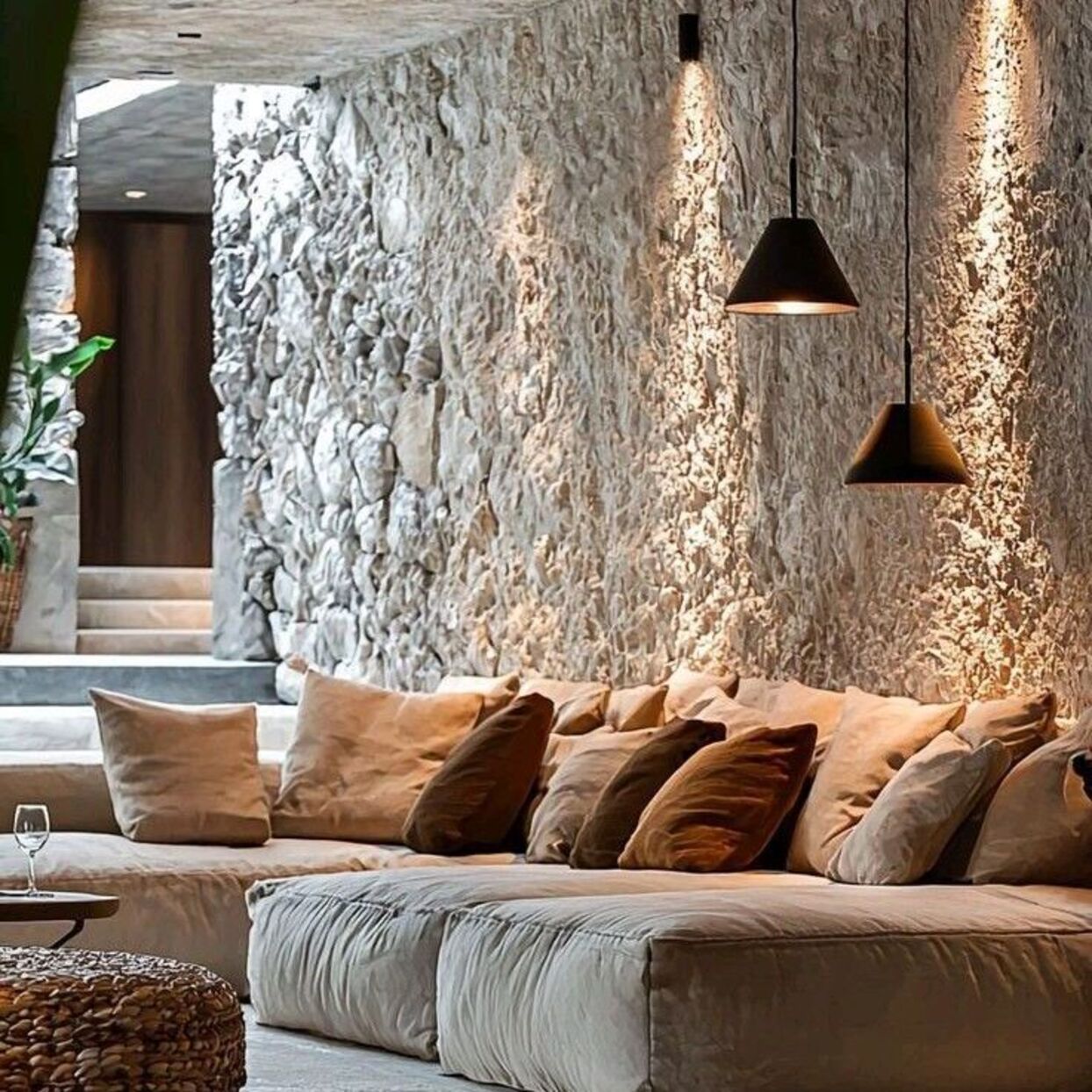
Eye-level lighting is magic. It’s flattering, calming, and it adds depth.
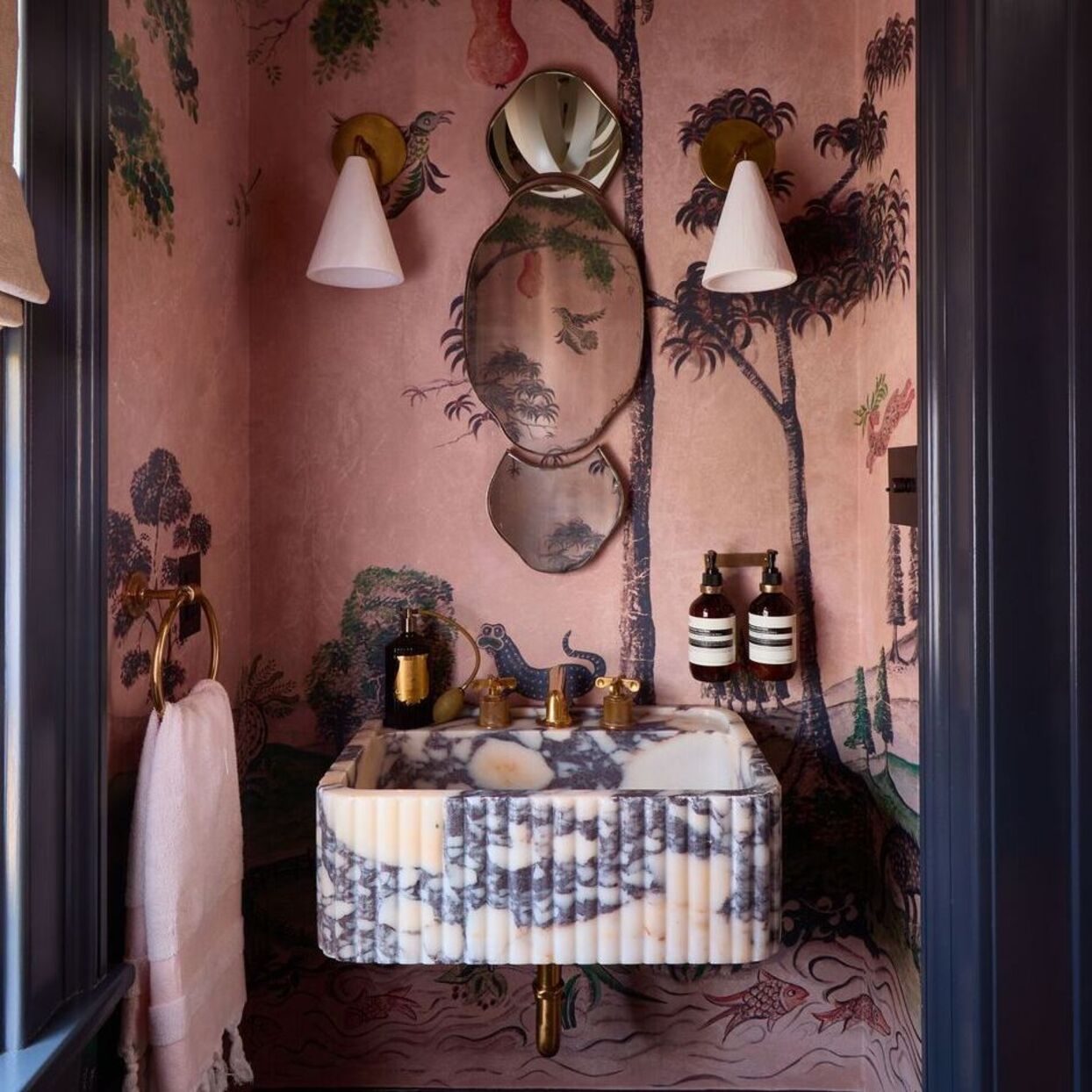
Think table lamps, wall lights, picture lights, subtle cabinet lighting — all those layers that make a room feel intentional. It’s also how you avoid that overhead 'spotty' look that makes beautiful spaces feel like a showroom.
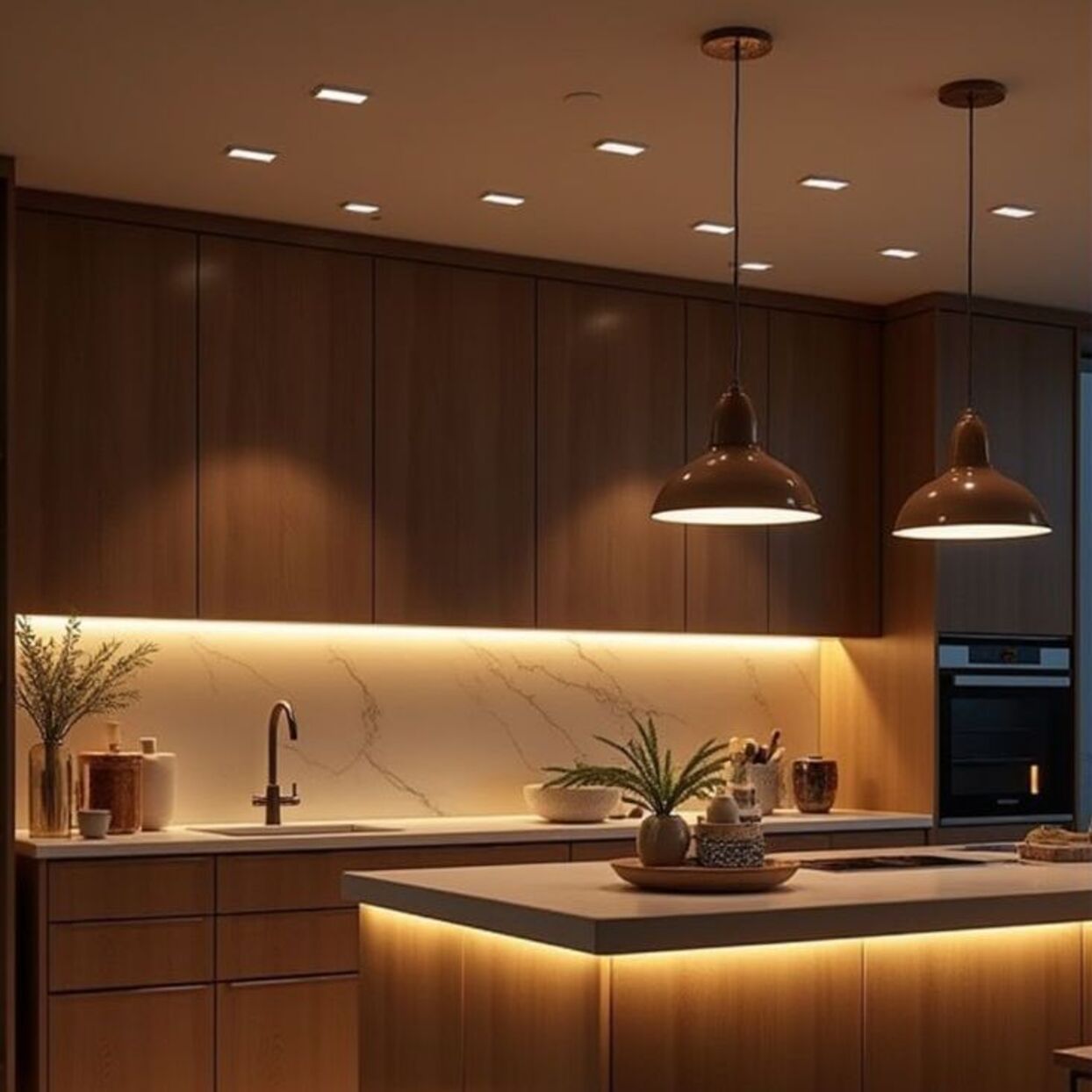
4. In kitchens, task lighting earns its keep.
In a kitchen, I’m all about task lighting.
- Under-cabinet lighting gives you clean, even light on the worktop (and stops you chopping herbs in your own shadow).
- Pendants over an island help define the zone and make it feel sociable.
- If you use ceiling spots, consider adjustable spotlights that can wash a wall or highlight a feature, rather than fixed downlights.
5. LEDs: yes, but be picky.
Strip lighting works beautifully in niches, bathroom alcoves, and anywhere you want an even wash without visual clutter. But please don't run strips along kitchen plinths. They highlight every crumb, and they'll tip your carefully designed space from classy to ‘90s club’ very quickly.
6. Dimmers are non-negotiable.
If you do one upgrade, do this: make your key lights dimmable.
It’s the easiest way to flex your home through the day - bright when you need it, softer when you don’t. Just note: some dimmable setups can flicker depending on the spec, so it’s worth getting this right.
7. Choose warm light.
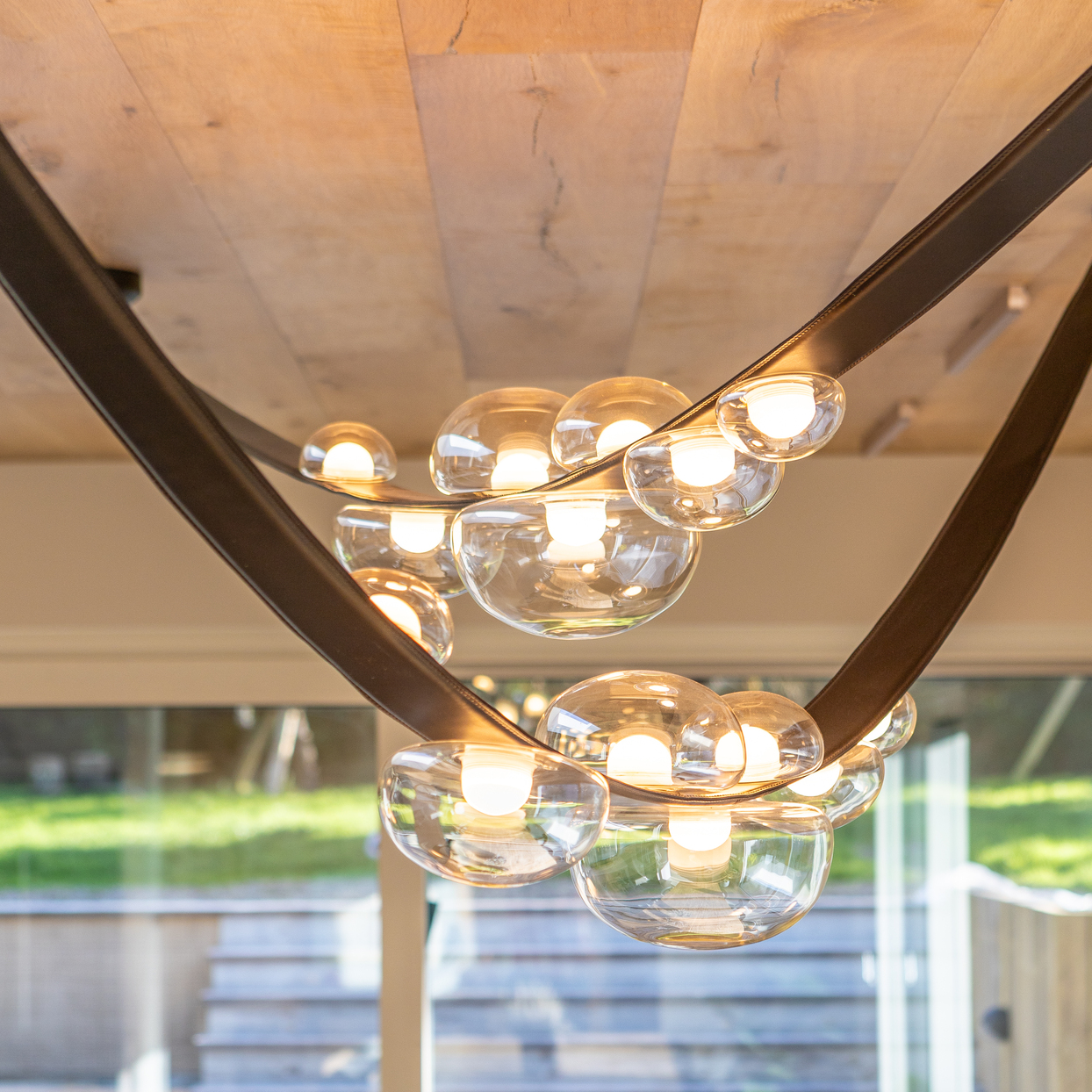
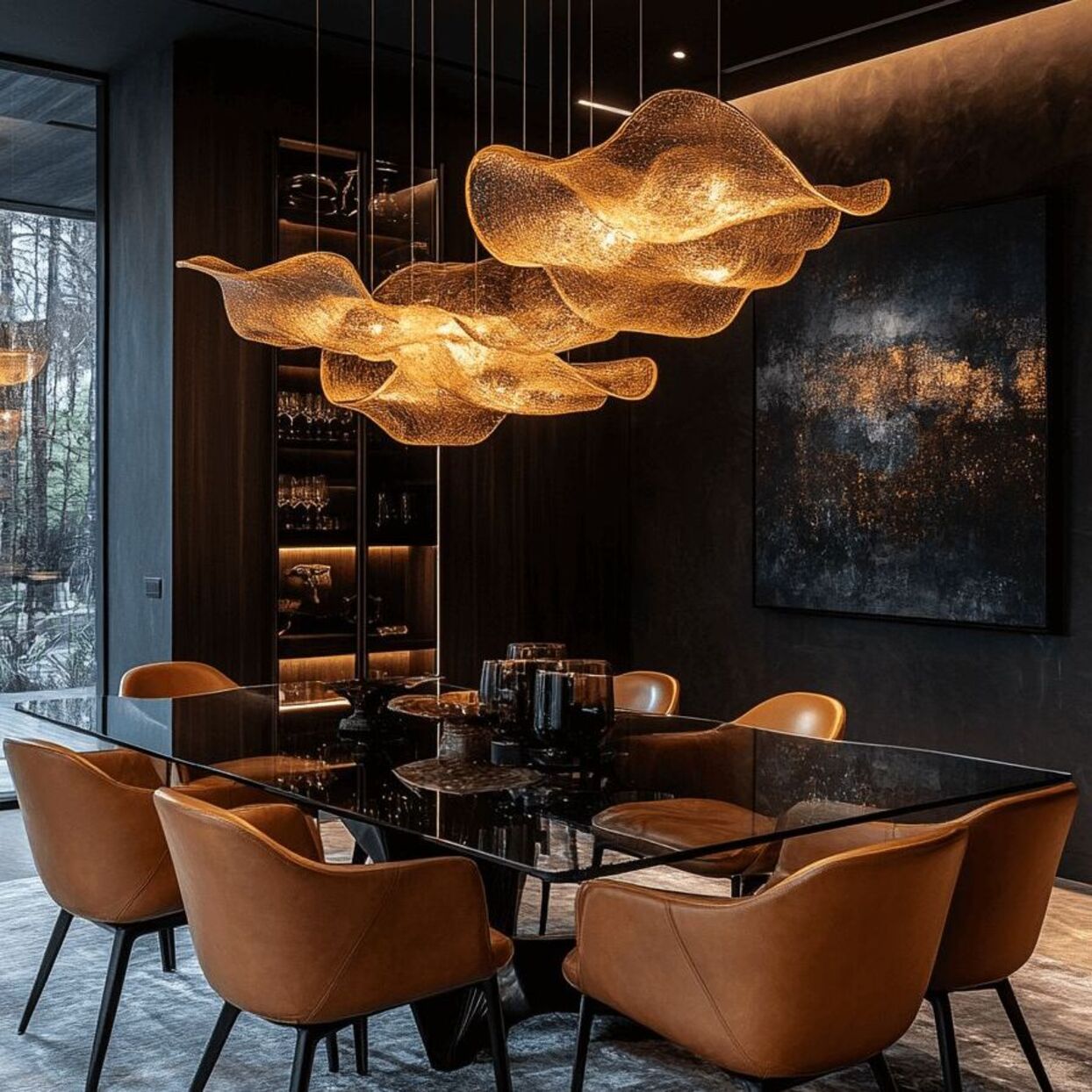
There's a reason warm light feels instinctively comfortable— it's the colour of firelight, of candlelight. That’s why we love warm-toned bulbs, think filament bulbs, amber glow.
Cold daylight bulbs have their uses, but at home they rarely create the atmosphere you're after. When in doubt, go warmer.
My favourite lighting brands
When clients ask where to start, I point them towards Tala for beautiful filament warmth, Astro for well-considered task lighting, and Graham & Greene for something a bit funky.
Want your home to feel expensive? Make it feel good at night.
In daylight, almost any decent room looks fine. At night? Lighting tells the truth.
During the day, every room gets a little help from the most flattering light source on earth. Natural light is forgiving - it smooths, lifts and opens up a space in ways no electrician can replicate. But after dark, it's just you and your lighting plan. That's when the layers either work or they don't, and when a well-lit room reveals exactly what good design feels like.
Let us help you build the mood.
If you’re planning a renovation or a build and want a lighting plan that makes your home feel incredible after dark, get in touch.