By André Rolfe-Bisson, Founder of A7 Architecture
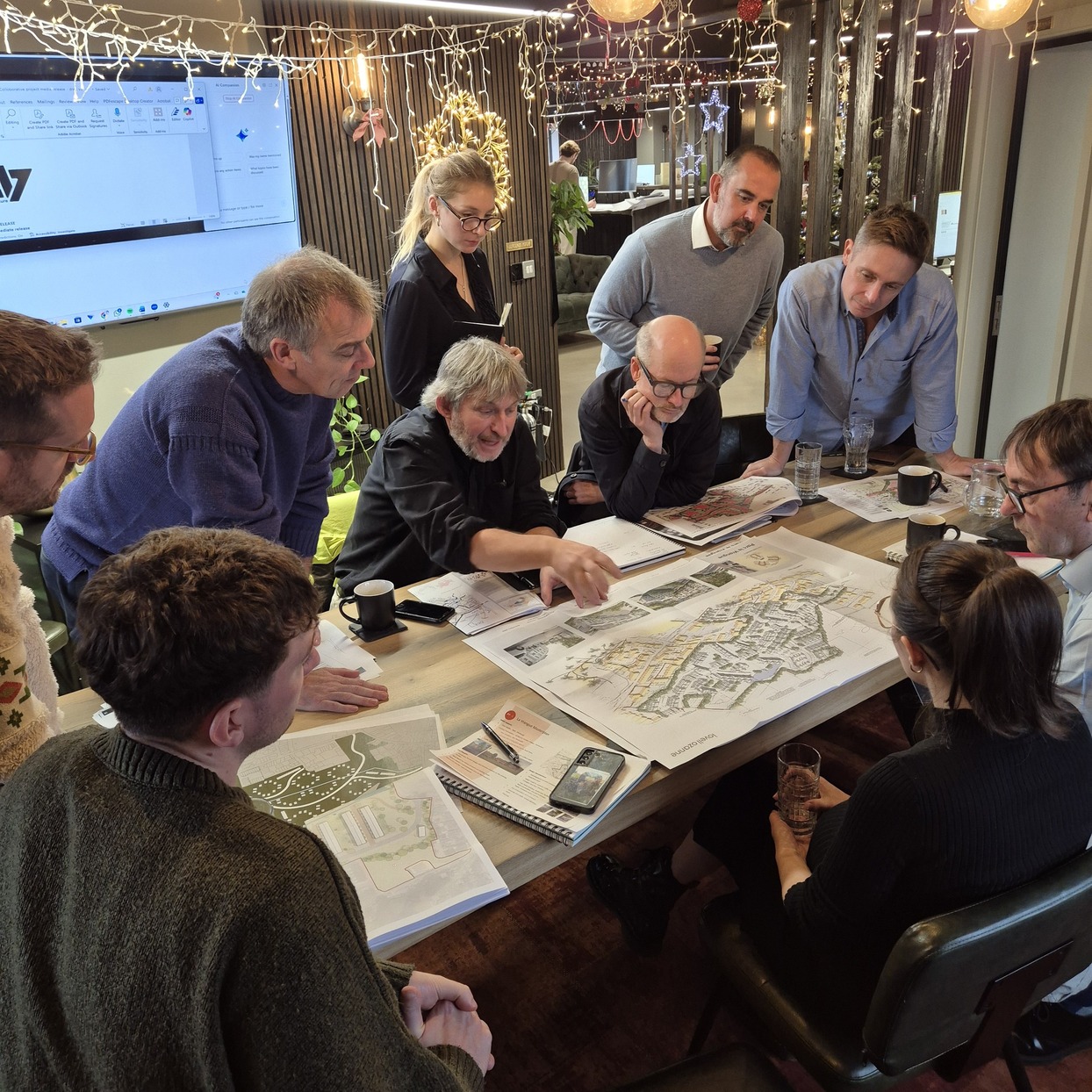
Last year, I brought six Guernsey architectural practices together to collaborate on a masterplan for a 12-acre housing site.
Is that news? Well, in the world of local architecture - yes! (And BBC Guernsey, the Press and Bailiwick Express certainly thought so.)
But here's what didn’t make the news: this approach can be applied to (almost) any project.
When you ‘open source’ architectural expertise, you get maximum value and multiple creative solutions.
Whether you're building a house extension or reimagining an awkward space, there’s a smarter way to spend your budget.
What You're Actually Paying For
The most valuable part of any architectural project is the ideas — the thinking that hasn't happened yet. Creative imagination is almost impossible to put a price on, and it's the part most often underestimated.
The value doesn’t come from the CAD drawings or the 3D renders, it's what happens before anything gets built, where problems get solved and muddy plots turn into dream homes. And these days, it's where I most love to play.
But here's the traditional model.
You select one architect, either through recommendation or Google, and you get one perspective, one approach and one solution.
Maybe the concepts are brilliant. Or maybe they miss something obvious that a different brain would have spotted in five minutes. (At A7 we’ll often run a Jody version, an André version, a combined version — sometimes even an Elvis version. Multiple minds on one problem makes a big difference.)
Or you shop around, you visit three or four architects, and they give you time, ideas and options, often for free. Ultimately, one wins the job, the others lose out and suck it up – their ideas shelved and their creative vision unrealised.
The result: either limited thinking or unpaid labour.
I think there’s a better way...
The Collaboration Model – and why it’s better value for you.
What if you could get multiple architectural brains solving your problem for the same fee you'd pay one practice?
Here's how it works:
I suggest clients hire two or three architectural practices they like and give them the same brief.
Each practice quote for the survey and concept stage, and once the client agrees how much they want to invest in this stage, each practice agree how to share it – along with the survey data and information.
Everyone works independently to the same brief and deadline – with a client presentation already locked in the diary.
What you get at the end isn't polished renders or CAD drawings. It's sharpie-stained A3 sketches, hand-drawn and honest, and the kind of thinking that's fast, flexible, and explores…
· Different approaches to your space
· Different ways to solve the tricky bits.
· Different "yes, but what if..." moments
Then you see all the options and cherry-pick the best thinking from each:
"I love how Practice A solved the light problem. I love Practice B's approach to the garden connection. I love Practice C's material idea."
Those ideas get combined, and one practice usually takes it forward. Or we keep working together. Either way, nobody loses.
The value you get as a client
High-value residential projects aren’t just expensive, they’re personal. You’re not buying a ‘design’ you’re buying how to build a home that works better for you and your family.
So, the real risk isn’t just cost overruns, it’s the regret of not pushing the design earlier, and ending up with a home that technically functions but doesn’t feel right.
Collaboration reduces that risk because:
- You get more ideas for the same spend. Same fee, wider thinking.
- You're less likely to get locked into expensive mistakes early. You see the options before you commit serious money.
- You see different problem-solving styles. Sometimes it’s not about ‘the prettiest drawing’ - it’s about thinking clearly about your lifestyle and how your family circumstances may change.
Real Projects, Real Results
This approach didn’t happen overnight. Building the relationships that make collaboration work took years – and a few Friday lunches fuelled by Rioja and tequila!
It started about seven years ago, me and Pete Falla from PF+A, would meet a few times a year, no work talk allowed. Then other architects joined us, and eventually the whole table grew. The point was never about business, it was about getting to know people in our industry, understanding their values and building trust. The result is that we can leave our egos at the door and collaborate.
There’s a healthy construction industry on the island, and enough work to go around – so why not share our skills in the spirit of building better homes.
Over the past few years, we have successfully run this collaborative process on a variety of projects. We shared survey data, split the concept fee, and pitched completely different approaches. The client didn’t always choose A7, but that’s fine because participating practices got paid for tapping into their imaginations.
This collaborative approach works brilliantly for:
- Awkward spaces with weird restrictions
- When you're not sure what's possible and want to explore multiple options
- When you want creative confidence before committing serious money
- Large complex projects like the recent La Vrangue Housing Site masterplan
Why I Believe in Collaboration
There was a stage early in my architectural career when I was completely burnt out. I was twelve years in and completely disillusioned with the planning system and difficult clients.
So, I freelanced, working for five or six different architectural firms, just drawing for them.
It was one of the best decisions I ever made - each practice did things differently and had a unique approach to design or problem solving, so I had to adapt to suit each of their styles and requirements. I pulled bits from everybody; it was like getting a second education and somewhere in all of this I found my buzz again. Plus, I worked with some fantastic clients and best in class architects.
That's when I realised: why would you limit yourself to one way of thinking?
What You Should Ask Your Architect
Next time you hire an architect, for anything - ask them this:
"Would you be willing to collaborate with another practice during the concept stage?"
The ones who say yes are usually the ones worth working with.
If you’re sitting on a big project and like the idea of an all-brains approach, send us your brief. We’ll show you how to run a collaborative concept stage that gets you better design - and fewer regrets.

.png)