By Jody Warren, Associate Director at A7
Multi-generational living sounds modern. It isn’t, really. In many ways, it is a return to an older, more connected way of living.
Before family life was neatly divided into separate households, generations lived closer together. Sometimes under one roof, and sometimes next door. Older parents stayed woven into everyday life, grown-up children stayed longer, and homes adapted as the household changed around them.
Now, that way of living can feel unusual. But it may be becoming more realistic again.
In Guernsey, the Development & Planning Authority has recently encouraged islanders who want to create extensions, wings or outbuildings for elderly parents or grown-up children to speak to Planning, pointing directly to support already sitting within existing policy.
So this is no longer just a question of whether families can live this way – the more useful question is how to design homes that make it work well.
A multi-generational home cannot just be bigger. It has to be better thought through. It needs enough privacy to feel comfortable, enough connection to make living together worthwhile, and enough flexibility to cope when family life changes shape again.
That might mean a ground-floor bedroom and shower room for an older parent.
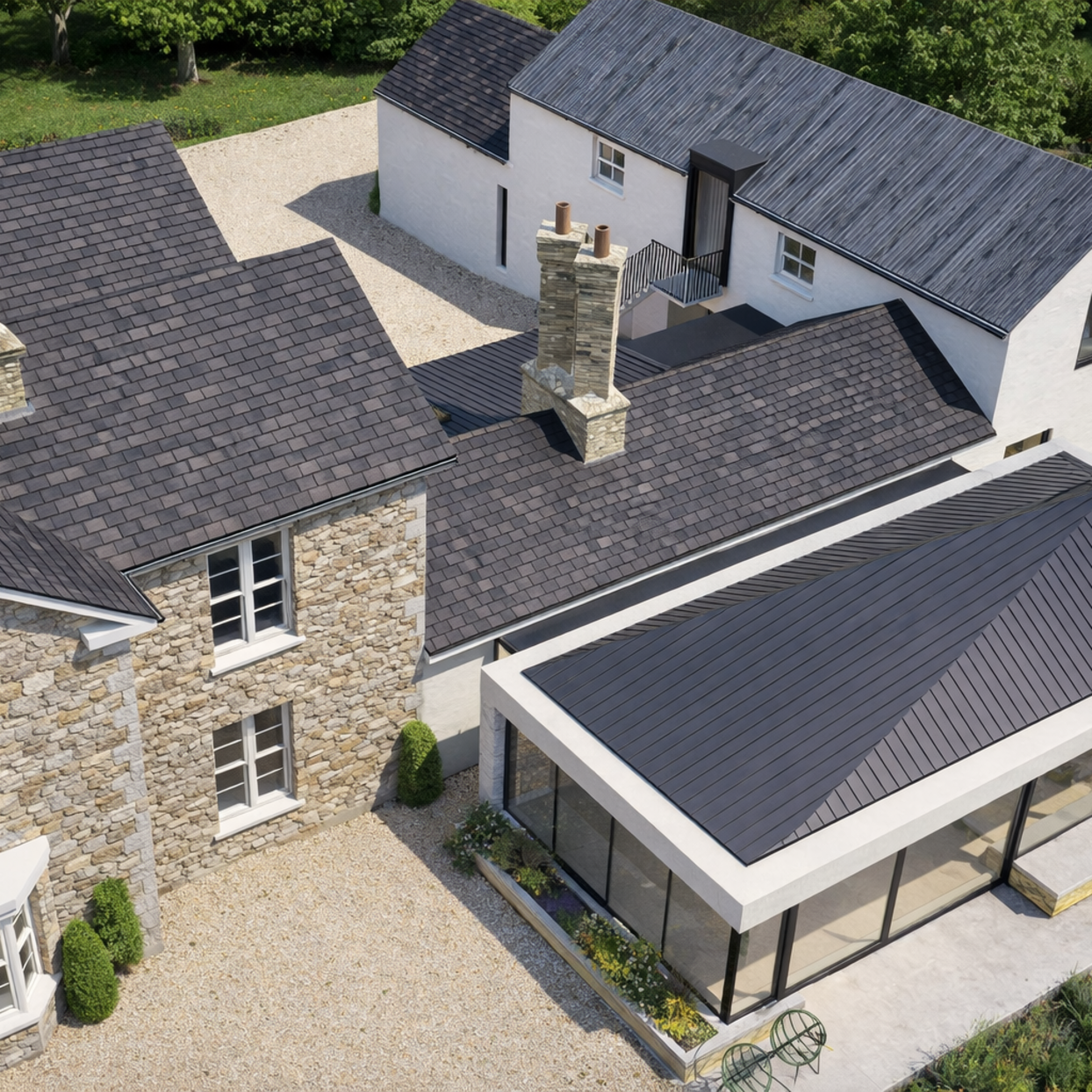
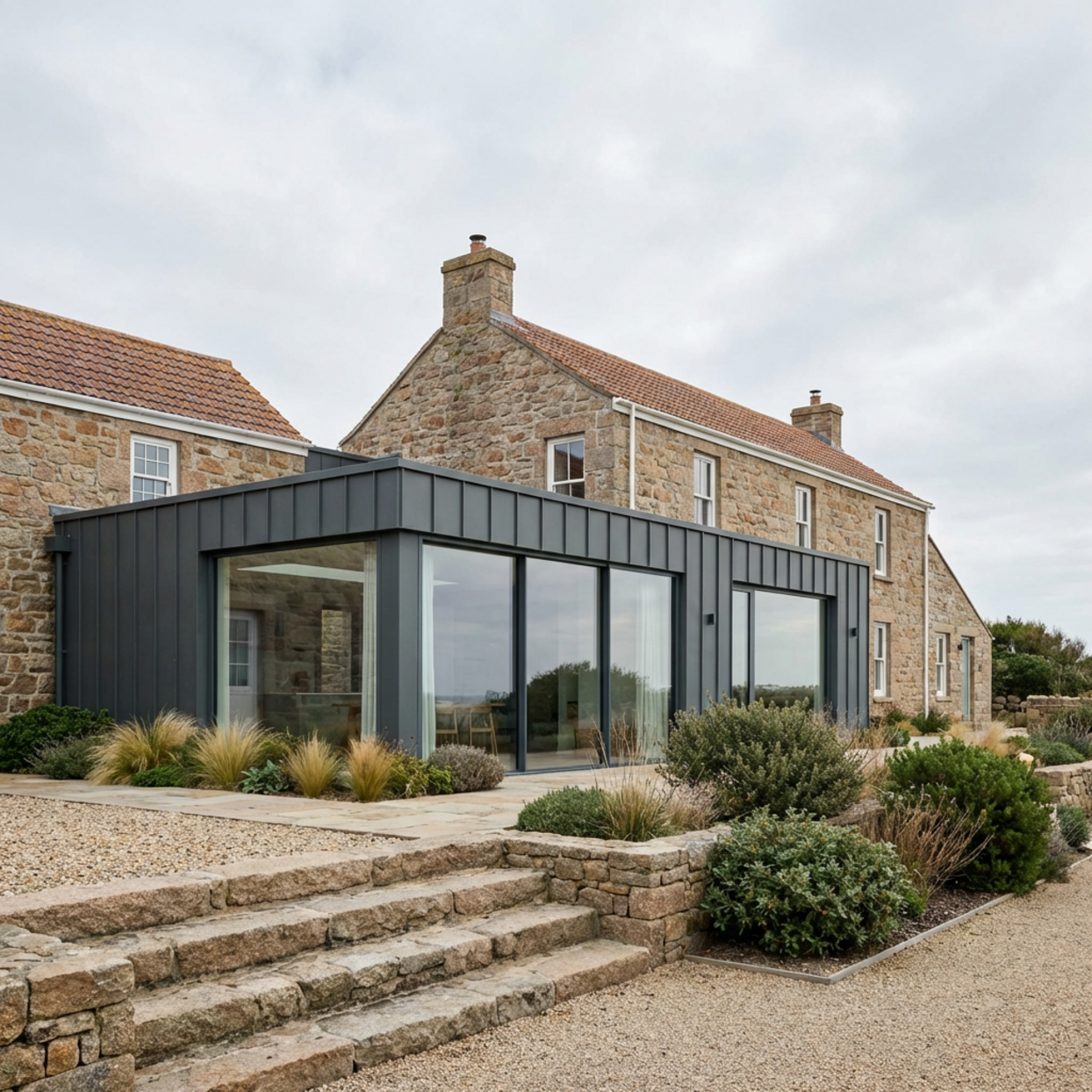
A side wing that feels linked to the house without seeming bolted on.
A dower unit that offers some independence while still keeping family close.
Or simply a layout with enough give in it to change over time, without the wholeplace feeling like it has been stitched together in a panic.
Here are some of the things worth getting right:
Privacy without isolation
This is usually the first one.
People may want to live closer together, but they do not want to feel on top of each other. A grown-up child, grandparent or older parent often needs some sense of retreat just as much as they need proximity.
That does not always mean full separation.
Sometimes it is a bedroom suite with its own shower room. Sometimes it's a small sitting room, a secondary entrance, or a layout that puts a little distance between one part of the household and the busiest spaces. Sometimes it's as simple as decent sound insulation and doors in the right places.
The point is not to recreate separate flats by stealth. It is to make sure people can be together without living permanently in each other’s pockets.
Shared space still matters
Privacy is only half the story. The other half is making shared space actually work.
Kitchens, dining areas and living rooms often end up carrying more weight in a multi-generational home. They are where routines overlap, where people reconnect, and where the day either flows nicely or turns into a traffic jam with snacks.
That does not automatically mean opting for open plan - one giant room is not always the answer. Sometimes a broken-plan layout works better, like a generous kitchen with a snug nearby.
The real question is whether the house gives people a reason to come together naturally, without forcing constant togetherness.
Flexibility is the whole point
A multi-generational setup rarely stays the same forever.
A room created for an older parent now might later become a guest suite, somewhere for a returning adult child, a workspace, or support for live-in care. A side wing designed for one family member may eventually serve a completely different purpose.
That is why flexibility matters so much, and starts with good proportions, sensible access and enough independence built in that a room can evolve without drama.
Think beyond today’s mobility
If the home is being adapted for an older parent, it makes sense to think one step ahead.
We often think (and write) about future-proofing your home.
Things like level access from outside. Wider doorways or corridors. Aground-floor bedroom. A shower that is easy to step into. Better lighting. Flooring that does not become a slip hazard. Lever handles instead of fiddly knobs.
None of these should make a home feel clinical - the goal is not to make the place feel like a care setting, it's to make daily life easier, without sacrificing comfort or character.
Storage is not the boring bit
More people means more life. More coats, more shoes, more food, more laundry, more clutter. More everything.
I am obsessed with storage! Most building guidelines say you need about 3m² of storage for a typical four-bedroom house. We say shred that rulebook. You need more. And in a multi-generational home, double it!
Built-in cabinetry, well-planned utility areas and cupboards in the right places can make the difference between a house that feels calm and one hat feels permanently full.
Storage is not glamorous. But it is the sort of thing that saves your sanity.
Questions worth asking before you design
Before drawing anything, we love to ask a few probing (but necessary) questions.
How much privacy does each person actually need?
What parts of the day are likely to overlap most?
Does someone need step-free access now, or might they need it soon?
Should the space feel fully integrated, semi-independent, or somewhere in between?
Could the layout work for a different family member later on?
And, crucially, will the extension, wing or dower unit feel like part of the house?
Those are the questions that tend to shape better outcomes.
Why this matters now
The DPA’s position matters because it reflects something many families are already feeling. Home life is changing.
Plenty of households are looking for ways to make their property work harder - practically, emotionally and financially. The States’ own guidance points to the same thing, describing multi-generational living as a way to save money, support independence and help tackle loneliness.
We welcome the new planning guidance around multi-generational living - and anything that helps modern life feel more connected, and more joyful. If you feel the same, drop me a line.

.png)