.png)
Most people start a renovation or rebuild thinking about the 'fun’ stuff - the size and layout of the rooms, the view from the kitchen, the way the house opens onto the garden.
But there’s a different set of questions that shape your home far more than the view ever will — and most people never think to ask them.
The homes that really work - the ones that feel comfortable, cost less to run, and don’t quietly drain your bank account – consider the following:
- What will this home cost to run, not just to build?
- Where's the money best spent now to keep the bills down?
- Where will it lose heat — and can we design that out before it's built?
- If energy prices climb again, how exposed am I?
- And the one that matters most: what will it actually feel like in February?
They’re not the sexiest of questions.
But these are the ones that decide whether your home works for, or against, you - and they’re far easier, and far cheaper, to answer before the plans are drawn.
You don’t need to speak fluent energy performance
You don’t need to arrive at a design meeting knowing your U-values from your photovoltaic panels.
That’s our job.
But the same curiosity you bring to the layout, the view from the sink, or how one room connects to the next should also apply to how your home performs.
Because energy performance is not separate from good design, it’s part of what makes a home great to live in and less expensive to run.
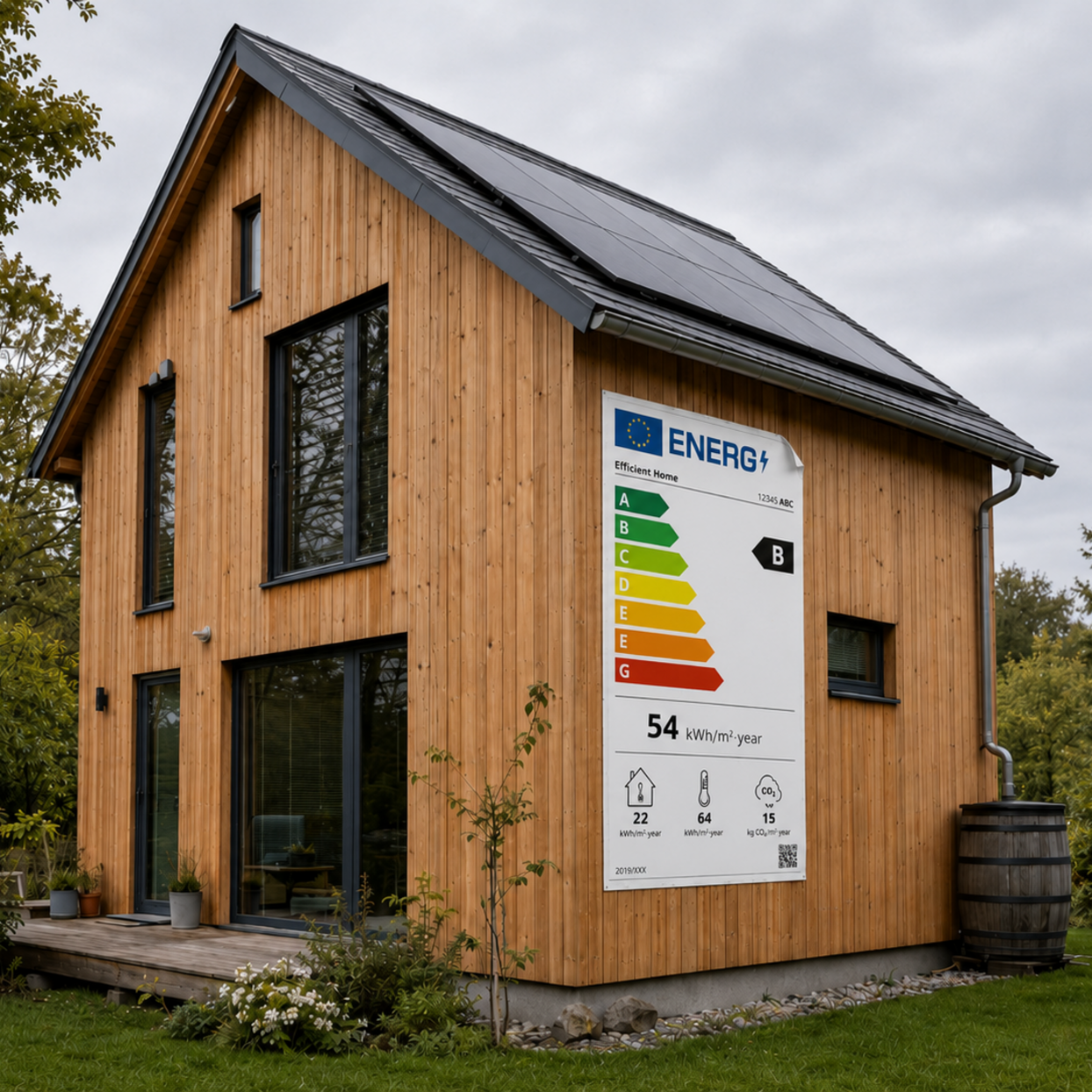
Good energy performance isn't about being 'eco' for the sake of it - it offers:
- Lower running costs – your house retains the heat it produces
- Consistent temperatures – not boiling in one season and freezing in another
- No irritating draughts – you shouldn’t feel your house leaking
- Less reliance on systems – heating and cooling don’t have to fight the building
- More predictable bills – fewer nasty surprises
In short: the house does more of the work, so you don’t have to.
We’ve got the expertise in- house
Architectural Technologist, Dan is a qualified Domestic Energy Assessor and has been building further expertise around SAP assessments — the methodology used to predict how a new-build home will perform.
In plain English: this means we can bring a holistic approach to performance into the design process early, while there’s still time to influence the important decisions.
Why energy performance needs to shape the design early
Energy performance isn’t something you bolt on later. It starts with the site itself: which way it faces, how exposed or sheltered it is, where the prevailing wind comes from. Then it comes down to the building doing the heavy lifting.
That means getting the fundamentals right first:
- High levels of insulation
- Well-detailed airtightness
- Carefully positioned glazing
- Junctions that don’t leak heat
Every weak point — especially where two elements meet — is an opportunity for heat to escape. Left unresolved, those spots turn cold, and cold spots invite condensation and mould.
This is what we mean when we talk about a fabric-first approach. Get the building envelope performing properly, and everything else gets easier.
Only once those fundamentals are sorted does it make sense to layer in the sustomable systems, like heat recovery ventilation, heat pumps, solar panels. At that point they’re supporting a building that already works, instead of propping up one that doesn’t.
The reality is you can spend a fortune on technology, but if the building fabric isn’t doing its job, you’ll always be compensating.
Why energy performance matters
Energy costs have already climbed, and with the world the way it is, the smart money says they’ll probably keep climbing.
At the same time, Guernsey is working towards carbon neutrality by 2050, this target is likely to set future standards and shape how homes are designed, assessed, and valued.
There’s also a lending angle worth knowing about.
Some lenders offer eco-mortgage products for homes that meet stronger energy performance criteria. In simple terms, a better-performing home may give you more options when talking to lenders.
Where to start?
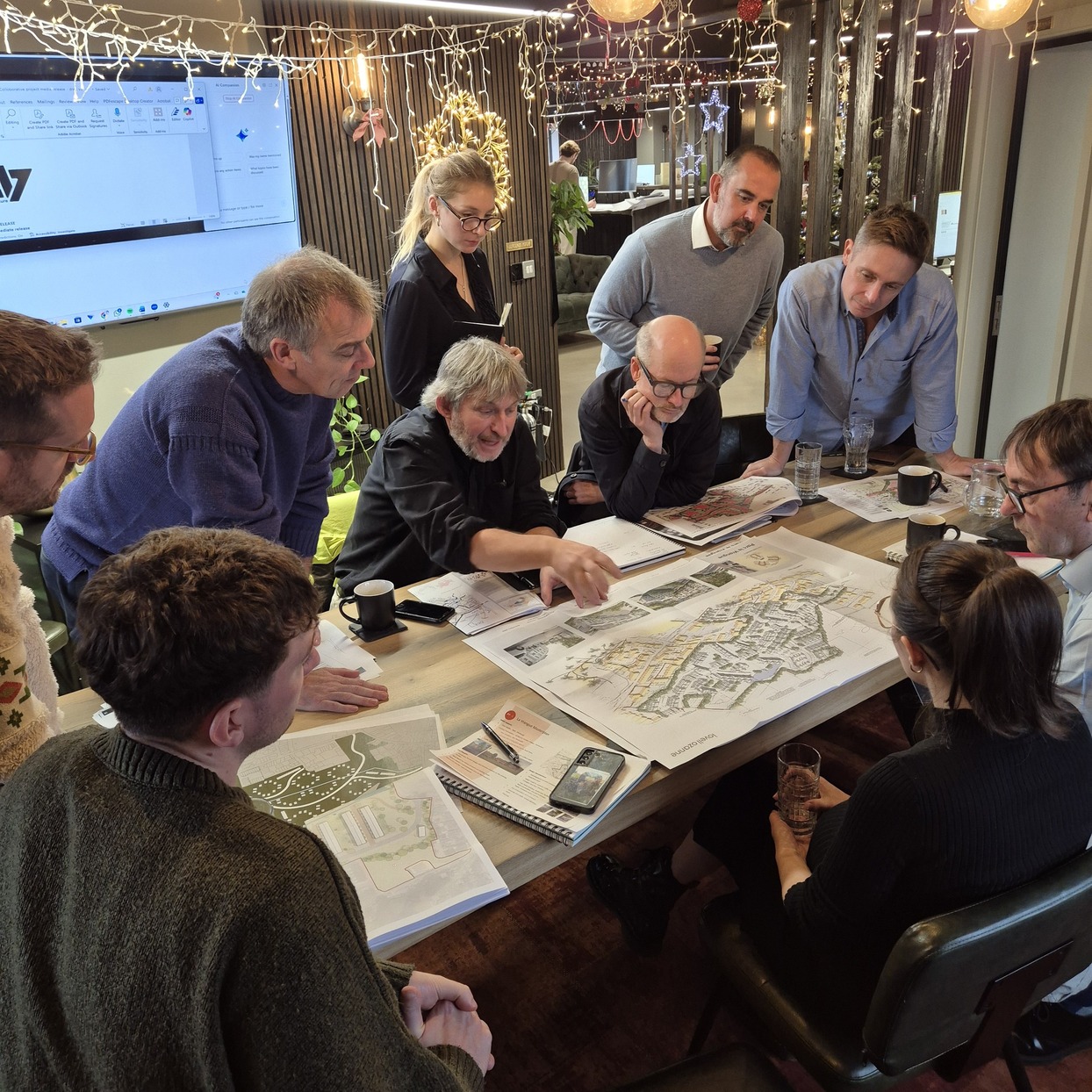
Start where we always do: with how you want to live. Not just where the kitchen goes, but how your home works day to day, season to season, and bill to bill.
That's the thinking we bring to every project.
Planning a renovation, extension, or new build? The best time to think about energy performance is before the drawings are done. Let's talk.